The short answer
The best time to visit Rajasthan is October to March. Days are warm and clear, evenings are cool enough for a shawl, and the forts, palaces and desert are comfortable to explore for hours at a stretch. Within that window, November to February is the sweet spot — and also the busiest and most expensive, so the best hotels need booking well in advance.
If your dates are fixed and fall outside that window, Rajasthan is still very much worth travelling — it simply needs to be planned differently. April to June rewards early starts and lake cities; July to September brings a softer, greener Rajasthan that very few travellers ever see.
Rajasthan's three seasons
Winter: October to March — the classic season
This is Rajasthan as most people imagine it. Skies are clean, light is golden, and daytime temperatures across most of the state sit in a comfortable range for sightseeing. Desert nights in Jaisalmer and Bikaner can turn genuinely cold in December and January — a warm layer matters more than travellers expect. Mount Abu, the state's only hill station, is colder still and occasionally dips close to freezing.
This is the right season for fort-climbing, camel safaris, long drives between cities, and dinners in palace courtyards. It is also peak season: expect higher rates, fuller hotels and more visitors at Amber Fort and the Taj-adjacent circuit.
Summer: April to June — hot, quiet and surprisingly rewarding
Rajasthan in high summer is hot, and there is no gentle way to say it — the desert belt regularly climbs past 40°C, and afternoons are for shade, not sightseeing. But summer has real advantages: dramatically fewer visitors, far better availability at the great palace hotels, and a stillness at the monuments you will never get in January.
Planned properly, summer works. That means sightseeing from around 6.30am to 10.30am, a long indoor afternoon, and evenings out again after five. It also means favouring Udaipur and Mount Abu, which stay meaningfully cooler than Jaisalmer or Bikaner. We rarely recommend a desert camel safari in May.
Monsoon: July to September — green, atmospheric, underrated
Rajasthan does not get monsoon in the way Kerala or Mumbai does. Rain arrives in bursts rather than sheets, the Aravallis turn green, the lakes of Udaipur fill, and the whole state softens. Rainfall is heaviest in the south and east and lightest in the far west — Jaisalmer and the Thar see very little.
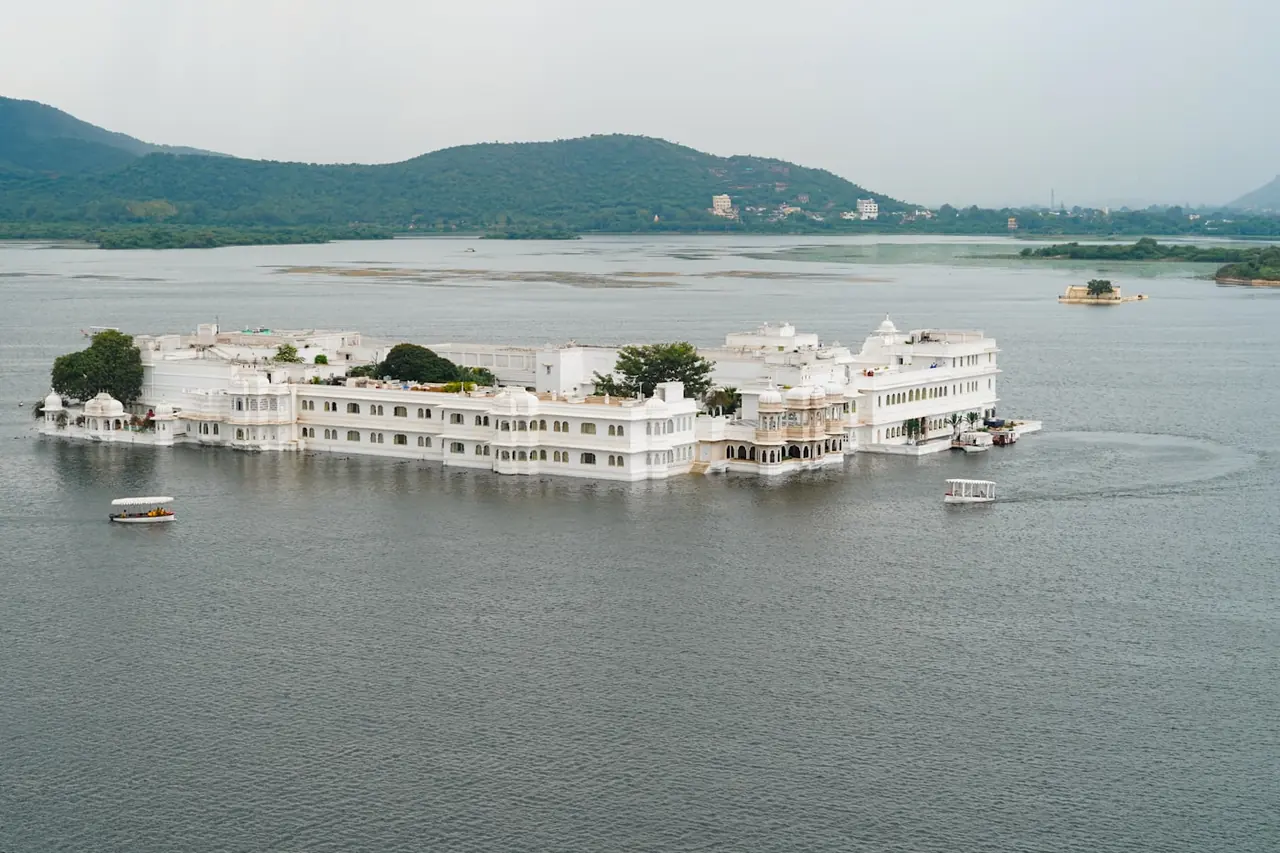
For couples and photographers, monsoon Udaipur is quietly one of India's most romantic experiences. Humidity is the trade-off, and the odd road or excursion may be disrupted, so this season suits flexible travellers more than tightly scheduled families.
Temperature and rainfall patterns in Rajasthan vary year to year, and seasonal shifts have become less predictable. Treat the ranges here as typical rather than guaranteed, and check a current forecast for your specific cities close to departure. When we plan a trip, we confirm conditions and event dates before finalising a route.
Jaipur vs Jodhpur vs Udaipur vs Jaisalmer
The single most useful thing to understand about Rajasthan is that its four headline cities do not share a climate. Jaisalmer sits deep in the Thar Desert; Udaipur sits among lakes and hills. In the same week, they can feel like different countries.
| City | Character | Best window | What to know |
|---|---|---|---|
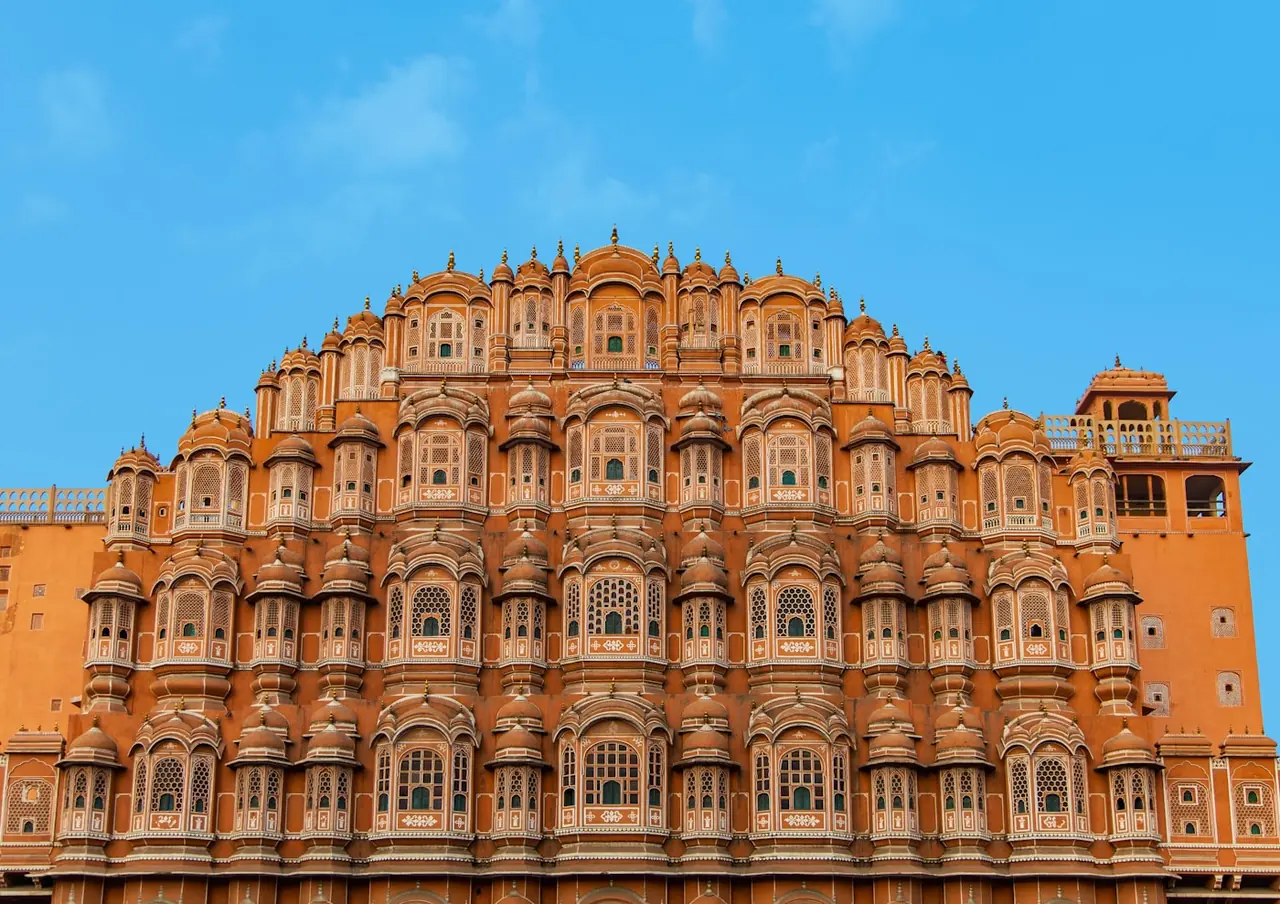
| Jaipur | Forts, bazaars, city palaces | Oct–Mar | Busiest of the four. Amber Fort is best done at opening. Pleasant winter days, cool evenings. |
| Jodhpur | Mehrangarh, the blue city | Oct–Mar | Hot and dry in summer. Winter days are excellent; the fort is exposed, so mornings are kindest. |
| Udaipur | Lakes, palaces, romance | Sep–Mar | The mildest of the four thanks to lakes and hills. Also lovely just after the monsoon, when lakes are full. |
| Jaisalmer | Golden fort, Thar Desert, dunes | Nov–Feb | The most extreme. Superb in winter, punishing in summer. Nights can be genuinely cold in Dec–Jan. |
If you are combining cities, this is why the order of your itinerary matters as much as the dates. A late-September trip might begin in Udaipur while the lakes are full and end in Jaipur as the season turns; a January trip is better balanced so the desert nights fall mid-journey, when you have your warm layers unpacked. Our Jaipur, Jodhpur & Udaipur itinerary is built around exactly this kind of sequencing.
Month-by-month guide
| Month | What it's like | Good for |
|---|---|---|
| October | Monsoon retreats, air clears, comfortable warmth | Excellent all-round month; lakes still full in Udaipur |
| November | Crisp, clear, beautiful light | Peak quality. Pushkar's famous camel fair usually falls this month |
| December | Warm days, cold desert nights | Festive season, palace stays; book far ahead |
| January | Coldest month; occasional morning mist | Superb sightseeing weather; kite and literature festivals in Jaipur |
| February | Warming, still very comfortable | Arguably the best balance of weather and crowds; desert festival season |
| March | Pleasant early, hot by month end | Holi and Gangaur; the last easy month |
| April | Hot, dry, quiet | Early starts, Udaipur, great hotel availability |
| May | Peak heat | Mount Abu; not ideal for the desert |
| June | Very hot, humidity builds late | Value and empty monuments for heat-tolerant travellers |
| July | Monsoon arrives; landscape greens | Udaipur, photography, low season rates |
| August | Wettest stretch; Teej celebrations | Atmospheric, humid; flexible itineraries |
| September | Rain eases, greenery peaks | Underrated month, especially Udaipur |
Best time by traveller
Families with children or parents
Late October to February. Comfortable temperatures matter enormously when you are travelling with young children or elderly parents — heat exhaustion at a fort ruins a day faster than anything else. Winter also allows longer, slower sightseeing without racing the clock, and the school-holiday weeks of late December work well if you book early enough.
Couples and honeymooners
October to early March, or September for something quieter. Udaipur is the anchor for most romantic itineraries, and it is at its most beautiful when the lakes are full — immediately after the monsoon and through winter. Sunset boat rides, courtyard dinners and lake-facing suites all depend on that water level. See our Rajasthan honeymoon itinerary.
Luxury and palace-stay travellers
November to February for the classic experience — but the great palaces are at their most available, and often their most relaxed, in the shoulder months of late September, early October and late March. If sleeping inside a genuine royal residence is the point of your journey, read our guide to the best palace hotels in India before you fix dates, because availability rather than weather is usually the binding constraint.
Desert nights and camel safaris
November to February, without much debate. The Thar is only comfortable for dune evenings and overnight desert camps in these months. Nights are cold — a serious jacket is not optional in December and January — but the clarity of the sky more than compensates. Our Jaisalmer desert itinerary is designed for this window.
Planning a private Rajasthan holiday?
Tell us your dates, how many are travelling and the kind of experience you have in mind. We will design a private, tailor-made itinerary around it — with handpicked stays and a designer who stays with you throughout.
Festivals worth timing a trip around
Rajasthan's calendar is one of its great pleasures, but most of its festivals follow the Hindu lunar calendar, so the Gregorian dates move every year.
- Pushkar Camel Fair — usually November, around Kartik Purnima. Extraordinary, and extremely busy; accommodation in and around Pushkar must be secured months ahead.
- Jaipur's kite festival — mid-January, around Makar Sankranti, when the city's skyline fills with kites.
- Jaisalmer Desert Festival — typically February, in the dunes near the golden city.
- Holi — usually March; joyful, colourful and worth planning around deliberately, in either direction.
- Gangaur — March or April, particularly beautiful in Jaipur and Udaipur.
- Teej — monsoon season, generally August, celebrated with processions in Jaipur.
Festival dates shift each year and are occasionally revised. Confirm current dates with Rajasthan Tourism or the relevant local authority before committing to flights and hotels — or simply tell us the festival you want to see, and we will build the itinerary around the confirmed date.
How many days do you need?
- 4–5 days — one or two cities, unhurried. Jaipur alone, or Udaipur alone, works beautifully as a short private escape.
- 7–8 days — the classic Jaipur, Jodhpur and Udaipur arc, with time to breathe. This is the length most of our guests choose. See our 7-day Rajasthan itinerary.
- 10–12 days — add Jaisalmer and the desert, or Ranthambore for tigers, without rushing.
- 14 days+ — a complete Rajasthan journey including Bikaner, Bundi or Shekhawati, at a genuinely leisurely pace.
A word of honest advice: the most common planning mistake in Rajasthan is fitting too many cities into too few days. Distances look modest on a map but road journeys between the great cities take real hours. Three cities in seven days is a pleasure; five cities in seven days is a blur.
What to pack
- Layers for winter. Warm days and cold nights are the rule from November to February, especially in the desert.
- Comfortable closed shoes. Forts mean ramps, cobbles and long climbs — Mehrangarh and Amber both reward good footwear.
- Sun protection year-round. Hat, sunglasses, high-factor sunscreen. The desert sun is strong even in January.
- Modest clothing for temples. Shoulders and knees covered; something to slip your shoes into.
- A scarf or stole. Useful for sun, dust, temple visits and cool evenings alike.
Frequently asked questions
What is the overall best month to visit Rajasthan?
Is it worth visiting Rajasthan in summer?
Does it rain a lot in Rajasthan during the monsoon?
How many days are enough for a Rajasthan trip?
When is the best time for a desert safari in Jaisalmer?
Is Rajasthan suitable for elderly parents or young children?
Planning your journey
Rajasthan rewards planning more than almost any Indian destination, because the difference between a good trip and an exceptional one usually comes down to timing: which month you travel, which hour you reach the fort, and whether your hotel is the one you were actually promised.
At Itinerary Diary we design private, tailor-made Rajasthan journeys — your own car and chauffeur, handpicked heritage and palace stays, and a named travel designer from your first enquiry to your journey home. Nothing shared, nothing off a shelf, and the hotels you confirm are the hotels you get.
Tell us your dates and we will send a hand-written itinerary within one working day. You can also browse our Golden Triangle itinerary if Rajasthan is part of a wider first trip to North India.