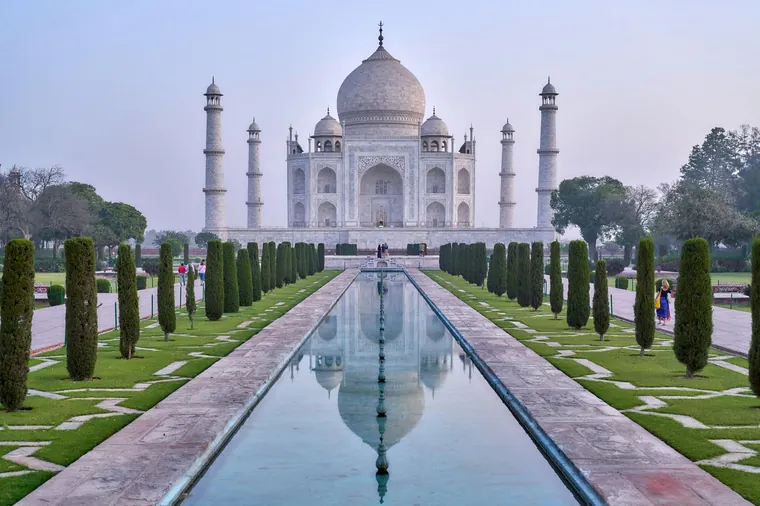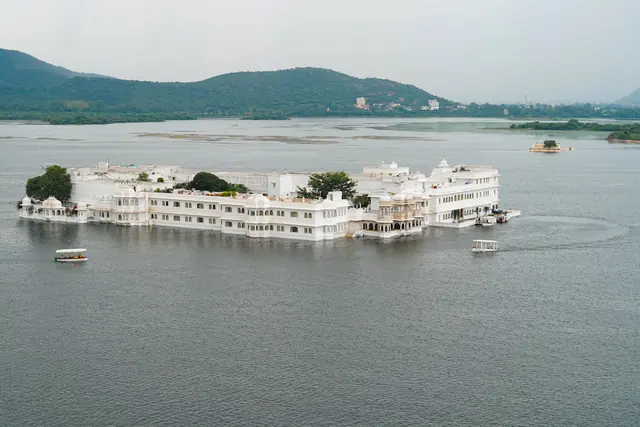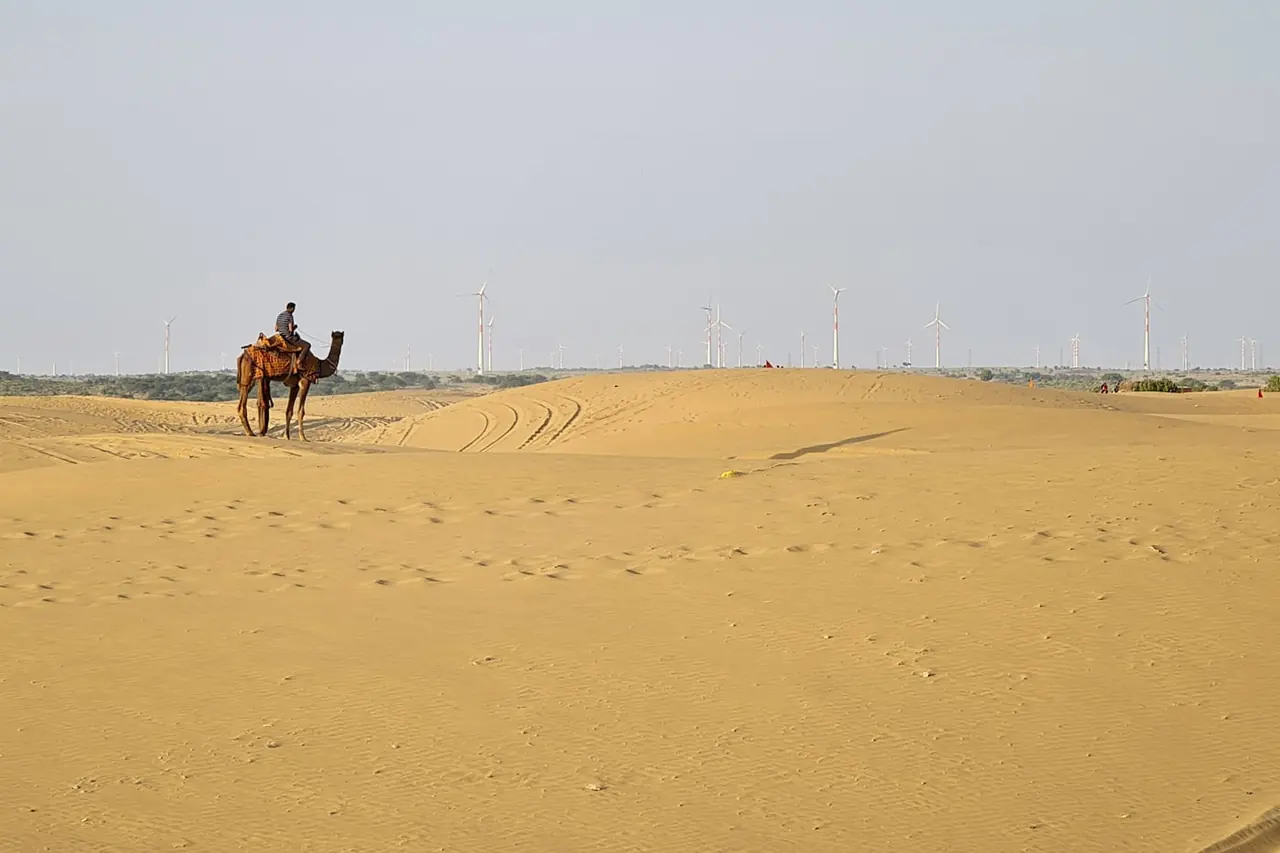
The Pushkar Camel Fair 2026 runs from Tuesday 17 to Tuesday 24 November, ending on the full moon of Kartik Purnima. For a traveller coming from abroad, three things matter more than the headline dates. First, the camels and traders arrive a few days before the official opening and many have left before the end. Second, the last four days coincide with an Indian public-holiday long weekend, which makes them the most crowded. Third, Pushkar works best as two or three nights inside a longer private trip through Rajasthan. The plan we recommend most is to fly into Delhi around 11 November, reach Pushkar on 16 November and leave on 19 November. That way the fair sits in a 12-night route that also covers the Taj Mahal, Jaipur, Jodhpur and Udaipur.
- Dates: Tuesday 17 to Tuesday 24 November 2026 (Incredible India, India's official tourism site). The fair ends on Kartik Purnima, the full moon, on 24 November.
- Best days for camels and livestock: 15–19 November. The traders arrive before the official opening, and many have left by the final weekend.
- Busiest days: 21–24 November. Guru Nanak Jayanti, an Indian public holiday, falls on 24 November, the same day as the full-moon bathing ritual at Pushkar Lake.
- How long to go for: 2–3 nights in Pushkar, inside a 10–14 night private trip with Delhi, Agra (the Taj Mahal), Jaipur and Jodhpur or Udaipur.
- Getting there: fly into Delhi. Pushkar is about 3 hours by road from Jaipur, about 145 km, and 11 km from Ajmer railway station.
- Visa: most nationalities, including British, US and EU passport holders, can use India's e-Tourist Visa. Apply on the official site between 120 days and 4 days before arrival. Delhi and Jaipur airports both accept it.
- Where to stay: the tented camps near the fair ground sell out first. If you are going, reserve now rather than in October.
- Indicative cost: our private Rajasthan journeys for international guests run roughly US$250–600 per person per day, including private guiding, transfers and 24×7 support. International flights are extra.
- Weather: warm, sunny days and cool nights. Mornings on the dunes are chilly, so bring a warm layer.
This guide is for travellers from the UK, Europe, North America and Australia who want to see the fair as part of a well-paced private trip. For the wider festival calendar, see our Rajasthan festivals guide. For the practical side of booking a private Rajasthan holiday from abroad, including trip length, hotel tiers and what to ask an operator, read how to plan a private Rajasthan holiday from the UK and Europe.
When is the Pushkar Camel Fair 2026, and which days should you be there?
The official dates, 17–24 November 2026, describe the festival programme rather than the whole fair. The livestock trading that gives the fair its name usually begins a few days earlier and fades before the end. The religious gathering peaks on the final day. Most international visitors want the camels, the fair ground and some breathing space, so the best window is roughly 15–19 November.
| Dates (2026) | What usually happens | Who it suits |
|---|---|---|
| Sat 14 – Mon 16 Nov | Herders and traders arrive and set up camp on the dunes around the fair ground. Trading starts and visitor numbers are still modest | Photographers, and anyone who wants the camels without the crowds |
| Tue 17 – Thu 19 Nov | The official opening. Trading is at its most active, and competitions and performances begin on the fair ground | Most international visitors: the best balance of animals, events and space |
| Fri 20 Nov | Trading thins as herders begin to leave, while the programme continues | A sensible day to move on |
| Sat 21 – Mon 23 Nov | An Indian long weekend. Domestic visitors and pilgrims arrive, and the cultural programme is in full swing | Those who want the busiest festival atmosphere and have booked well ahead |
| Tue 24 Nov | Kartik Purnima: the holy dip at Pushkar Lake. It is also Guru Nanak Jayanti, and the town is at its most crowded | Pilgrims, and travellers who specifically want the full-moon day |
Rajasthan Tourism publishes the detailed programme closer to the fair. The pattern above is how the fair usually runs. We confirm the programme for our guests in the week before they travel.
What actually happens at the Pushkar Camel Fair?
The Pushkar Camel Fair is three events at once: a working livestock fair on the dunes, a festival programme on the fair ground, and a Hindu pilgrimage to the sacred lake that culminates at the full moon. Seeing all three is what makes it memorable, and it is why the choice of days matters.
- The livestock fair: camels, horses and cattle are traded on the sand around the fair ground. It is at its best at sunrise and in the late afternoon, when the herders move the animals and the light is low.
- The fair ground programme: the longest-moustache contest, the bridal competition, matka phod (a pot-breaking contest) and tug of war, together with folk music and dance, camel events and craft stalls. Hot-air balloon flights are usually offered during the fair and sell out, so book early.
- The pilgrimage: Pushkar Lake and its bathing ghats are among the most sacred sites in Rajasthan, and the town has one of India's very few temples dedicated to Brahma. On the full moon, pilgrims gather at the ghats for a holy dip.
- The view from above: the Savitri Mata temple on the hill above town looks over the lake and the fair. It is best at sunrise or sunset.
Is the camel fair still worth travelling from abroad for?
Yes, as part of a Rajasthan journey rather than as the only reason to fly. There are far fewer camels than in the photographs of 15 years ago. Rajasthan's camel population fell from about 420,000 in 2007 to about 325,000 in 2012, and to just over 210,000 in the 2019 livestock census. Many herders link the decline to a 2015 state law that restricts moving camels out of Rajasthan, which weakened the trade the fair was built on.
What remains is still extraordinary: a working rural fair in its first days, a festival and a pilgrimage at its end, and a small holy town at its most alive. The practical consequence is simple. Plan your mornings with the animals between 15 and 19 November. If you care about animal welfare, avoid paying for photographs that involve distressing an animal.
How should the fair fit into a first trip to India?
Most travellers from the UK, Europe and North America fly into Delhi and want to see the Taj Mahal and the palace cities as well as the fair. The route below does all of that in 12 nights. It reaches Pushkar for the best livestock days and leaves before the long weekend. The arrival day is kept free for jet lag, every long drive runs in daylight, and Agra falls on a Thursday, because the Taj Mahal is closed on Fridays.
| Night | Date (2026) | Where | What |
|---|---|---|---|
| 1 | Wed 11 Nov | Delhi | Arrive, private transfer, rest |
| 2 | Thu 12 Nov | Agra | Drive to Agra (about 4 hours). The Taj Mahal in the afternoon light |
| 3 | Fri 13 Nov | Jaipur | Agra Fort, then Fatehpur Sikri on the way to Jaipur (4–5 hours) |
| 4–5 | Sat 14 – Sun 15 Nov | Jaipur | Amber Fort early, the City Palace, the old city bazaars |
| 6 | Mon 16 Nov | Pushkar | Drive to Pushkar (about 3 hours). The dunes at sunset as the herders gather |
| 7 | Tue 17 Nov | Pushkar | Sunrise at the livestock fair, then opening day on the fair ground |
| 8 | Wed 18 Nov | Pushkar | The ghats and Brahma temple in the morning, Savitri Mata temple at sunset |
| 9–10 | Thu 19 – Fri 20 Nov | Jodhpur | Drive to Jodhpur (roughly 4 hours). Mehrangarh and the blue city |
| 11–12 | Sat 21 – Sun 22 Nov | Udaipur | Via the Ranakpur Jain temple (7–8 hours with the stop). Lake Pichola and the City Palace |
| – | Mon 23 Nov | Fly home | Udaipur to Delhi or Mumbai, connecting to your international flight |
Our 12-day Golden Triangle and Rajasthan itinerary is the same route without the fair; in fair week we swap one Jaipur night for the third Pushkar night. The 21–22 November weekend is busy across Rajasthan, so Udaipur hotels need booking early too.
Shorter: 7–8 nights, Golden Triangle and Pushkar
Delhi, Agra and Jaipur, with two nights in Pushkar, flying home from Delhi. From Pushkar you return by road via Jaipur, or by train from Ajmer. See our Golden Triangle guide for the Delhi–Agra–Jaipur core.
Longer: 14–16 nights
Add Ranthambore for tigers, about 3–4 hours from Jaipur, before the fair. Or add Jaisalmer and a night in the Thar after Jodhpur. There is also an ambitious extension: fly from Udaipur to Varanasi for Dev Deepawali, which falls on the same full moon, 24 November. That is only realistic if you book the ghat-side hotels now.
Planning fair week from abroad?
Tell us your travel dates, where you are flying from and how many of you are travelling — we will suggest which nights to spend in Pushkar and a private route around them, with an itemised quotation in your currency.
Where should you stay for the fair?
Stay in a tented camp by the fair ground to wake up with the fair, or in a heritage hotel in town to walk to the lake. For quieter nights, stay outside Pushkar with your car and driver. Standards in the "luxury" camps vary widely. Before paying, ask for photographs of the actual tent category, and check for an attached bathroom, hot water and bedding for cool nights.
| Where | Good for | Watch out for |
|---|---|---|
| Tented camp near the fair ground | Sunrise on the dunes and being in the middle of the fair | Camps sell out first and quality varies a great deal. Nights are cool, and peak-weekend rates are high |
| Heritage hotel or haveli in town | Walking to the lake and ghats, and the evening aarti | Narrow lanes and noise in fair week. Vehicles are often restricted near the centre on peak days |
| Heritage or resort stay outside Pushkar | Quiet nights and more space, which suits families and older travellers | You rely on your driver for access, so plan around peak-day traffic |
For the rest of the route, our list of the best palace hotels in India covers the properties worth building a night around.
Private trip or group tour for the fair?
A group tour is the cheaper way to see the fair if you are travelling alone and happy with fixed dates. A private trip suits couples, families and friends who want to choose their fair days, their camp and their pace. It also lets you avoid the long-weekend crowds. For a fair where the best days and the worst days are only a week apart, that flexibility is the main advantage.
| Private trip | Group tour | |
|---|---|---|
| Fair days | You choose, typically 15–19 November for the livestock | Set by the operator, sometimes including the busiest weekend |
| Where you stay | Your choice of camp, hotel or heritage stay | The group camp or hotel |
| Pace | Sunrise at the fair and rest in the afternoon if you want it | The group's timetable |
| Cost | Higher per person, and depends on your hotel choices | Lower per person, especially for solo travellers |
How do you get to Pushkar from the UK, Europe or the US?
Fly into Delhi, which has the widest choice of long-haul flights and is an e-Visa airport. From Delhi, the fair is reached by road via Jaipur, or by train to Ajmer. Jaipur also has direct flights from several Gulf hubs, which can suit travellers connecting through the Middle East.
| Leg | Time (approx.) | Notes |
|---|---|---|
| Delhi to Jaipur by road | 4–5 hours | Or via Agra, as in the route above |
| Jaipur to Pushkar by road | About 3 hours (145 km) | The usual approach, and the easiest with a private car |
| Delhi to Ajmer by train | About 6.5 hours | The daytime Shatabdi Express. Ajmer station is 11 km from Pushkar |
| Kishangarh airport to Pushkar | About 1 hour | Limited domestic flights, which change often. Useful only if the schedule fits |
What does a private Pushkar Camel Fair trip cost in 2026?
Our private Rajasthan journeys for international guests run roughly US$250–600 per person per day. That covers handpicked hotels, a private car and driver throughout, English-speaking guides at the major sites and 24×7 support. For a typical 6–8 day private tour, the bands are as follows.
| Style | Indicative per person | What it usually means |
|---|---|---|
| Classic | ~US$2,000–4,000 · €1,900–3,700 | Handpicked 4-star and heritage hotels, a private car and chauffeur, and the key forts and palaces |
| Premium | ~US$4,000–8,000 · €3,700–7,400 | Landmark 5-star and palace hotels, private guides, and a premium camp or heritage stay for the fair nights |
| Luxury | ~US$8,000–15,000+ · €7,400–14,000+ | The iconic palace hotels and suites, with private experiences built around the fair |
These bands are from our Rajasthan tour packages page. They are indicative, and every quote is built to your exact dates and hotels. International flights, most lunches and dinners, and personal expenses are not included. We don't convert prices into sterling here because exchange rates move, and we can quote in your currency on request.
Three things move the price most in fair week: the camp or hotel you choose for the Pushkar nights, whether your dates touch the 21–24 November long weekend, and the total number of nights. Our India trip cost guide explains the rest.
Want an exact price for your dates?
Send us your dates and preferred hotel style and we will itemise a private trip — the fair nights, the Taj Mahal and the palace cities, a car and driver throughout — usually within one working day.
What should international visitors know before going?
- Visa: apply for the e-Tourist Visa only on the official government site, indianvisaonline.gov.in, between 120 days and 4 days before arrival. Your passport needs at least six months' validity when you apply. Fees depend on your nationality, so check the current fee on the site. Our India tourist visa guide walks through the form.
- Money: the rupee can't be bought properly outside India, so withdraw or exchange cash on arrival. Hotels and larger shops take cards, but fair stalls are cash-only and the town's ATMs are busy in fair week.
- What to wear: light layers for warm days, a warm jacket for early mornings on the dunes, and clothing that covers shoulders and knees at the ghats and temples. Remove your shoes where asked. See our India packing list.
- A holy town: Pushkar is vegetarian and alcohol is not served. At the ghats, you may be offered a flower blessing followed by a request for a large donation. Agree on any offering first, or decline politely.
- Crowds and personal safety: Pushkar during the fair is busy but used to visitors. Keep valuables close in crowds and avoid the ghats at the peak of the full-moon day. Check your government's travel advice before you book: the FCDO in the UK, the State Department in the US. Our guide to whether India is safe for tourists covers the rest.
- Photography: ask before taking close portraits, and expect some performers to ask for a small tip.
Should you book the fair through a local operator?
If you are visiting India for the first time and combining the fair with the Taj Mahal and the palace cities, booking with an operator based in India usually gives you more flexibility and better-informed advice than a fixed package sold abroad. It also avoids a layer of margin. The fair-week decisions that go wrong are the camp, the days, and the peak-day logistics around Pushkar. Local knowledge helps most with exactly those.
Whoever you book with, check six things:
- Who you are dealing with. Ask where the company is registered and whether its own team runs the trip on the ground.
- The named camp or hotel for the fair nights, with photographs of the actual tent category.
- Your exact fair days, and whether they touch the 21–24 November long weekend.
- An itemised quotation in your currency that shows what is included and what is not, including flights, meals and monument fees.
- Support while you travel: who answers the phone at 11 pm, and in what language.
- Reviews you can check independently, on Google rather than on the operator's own site.
Itinerary Diary Tour & Travels is a private tour operator with its office in Kasumpti, Shimla, India. Rajasthan is where we have our strongest network of drivers and hotels outside Himachal. We handle enquiries from the UK, Europe, North America and Australia in English, by email or WhatsApp. Routes are planned around long-haul arrival and departure times, and quotations come in your currency. We provide English-speaking guides, a private car and driver throughout, and 24×7 support across time zones. Our Google Business Profile is rated 5.0 from 268 reviews (September 2026), and you can read them on Google.
Frequently Asked Questions
When is the Pushkar Camel Fair 2026?
What are the best days to visit the Pushkar Camel Fair in 2026?
How do I fit the Pushkar Camel Fair into a first trip to India?
Which airport is nearest to Pushkar?
Do I need a visa to visit the Pushkar Camel Fair?
Can I see the Taj Mahal and the Pushkar fair on the same trip?
Where should I stay during the Pushkar Camel Fair?
How much does a private Pushkar Camel Fair trip cost?
Is a private trip better than a group tour for the fair?
Is Pushkar safe for tourists during the fair?
What is the weather like at the Pushkar fair in November?
Can I combine the Pushkar fair with Dev Deepawali in Varanasi?
Planning a Private Trip to the Pushkar Camel Fair?
We plan fair week the same way every year. The Pushkar nights and the camp are fixed first, and the rest of the route is built around them: the Taj Mahal and Jaipur before, Jodhpur and Udaipur after, with every long drive kept off the busiest days.
For a suggested route and an itemised quotation in your currency, send us five things:
- your travel dates, or the window you can travel in;
- the number of travellers, and the ages of any children;
- where you are flying from (the UK, Europe, North America, Australia or elsewhere);
- your preferred hotel style — heritage, 5-star palace or a mix;
- whether the camels, the full-moon day or the wider trip matters most.
We reply in English, usually within one working day. Email help@itinerarydiary.com, use Plan My Trip, or WhatsApp +91 76499 29992. See our Rajasthan journeys for routes and price bands.
The 2026 fair dates (17–24 November) are as listed by Incredible India, India’s official tourism site. Kartik Purnima and Guru Nanak Jayanti both fall on Tuesday 24 November 2026. The day-by-day pattern is how the fair usually runs, not an official programme. Visa rules are from the official e-Visa portal as of September 2026 — check them again before you apply. Journey times are typical daytime driving times. Price bands are indicative and exclude international flights; every quotation is built to your exact dates and hotels.
- Incredible India (Ministry of Tourism), Pushkar Camel Fair — 2026 dates, events and the Kartik Purnima dip.
- Drik Panchang, Kartik Purnima 2026 — Tuesday 24 November 2026.
- timeanddate.com, Guru Nanak Jayanti 2026 — Tuesday 24 November, gazetted holiday.
- Al Jazeera, 15 January 2025, India’s disappearing camels — Rajasthan camel census figures and the 2015 Camel Act.
- Government of India, e-Visa portal — application window (4–120 days before arrival), passport validity and e-Visa airports including Delhi and Jaipur.
- FlightConnections, Flights from Kishangarh/Ajmer (KQH) — domestic routes as of September 2026.
- Itinerary Diary, Rajasthan tour packages — international price bands (USD/EUR) and what is included.
Fair programmes, road restrictions and flight schedules change — confirm them in the week you travel.